Five of Samuel L. Jackson’s best movies, and where to start
Five Samuel L. Jackson movie picks, from Pulp Fiction and Jackie Brown to a courtroom drama, a quiet superhero story and a brief comedy turn.
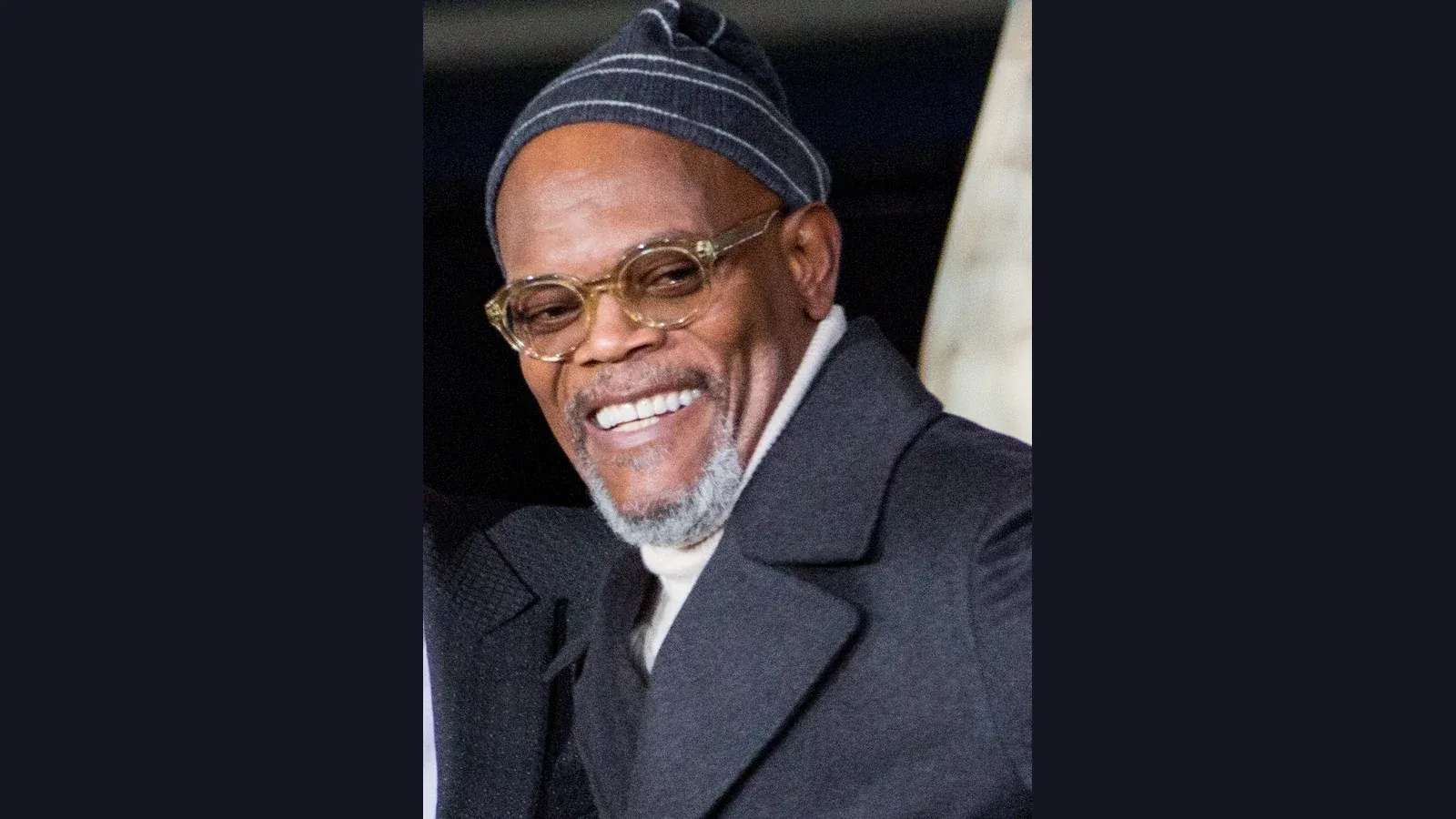
Start with Pulp Fiction if you want to see what Samuel L. Jackson can do with a long stretch of dialogue. If you already know Jules Winnfield’s lines, watch Jackie Brown next. Both are Quentin Tarantino crime movies, but Jackson uses his voice differently in each. Jules likes making a room go quiet. Ordell Robbie would rather keep you talking until you’ve agreed to something you should have refused.
For a quieter performance, pick Unbreakable. For a courtroom drama, go with A Time to Kill. And if you’re in the mood for a comedy, The Other Guys gets a lot out of Jackson in a small supporting role. The order isn’t a career ranking; it’s a way to pick something for tonight without learning how it ends.
Pulp Fiction (1994): The one to start with
Jules Winnfield and Vincent Vega, two hitmen played by Jackson and John Travolta, spend the drive to a job talking about fast food in Europe. When Jules brings up hamburgers again in the apartment, he’s no longer making small talk. Watch the way he takes his time with someone else’s breakfast. Nobody in the room knows when he’ll get to the point, and he knows that’s what makes them nervous.
The louder scenes get quoted more often, but Jackson is just as good when Jules starts thinking out loud. Travolta plays Vincent as a man who wants to get through the day. Jackson makes Jules sound like someone who can’t stop turning that day over in his head. It’s the best place to start if you want to see him be funny, menacing and reflective in one movie.
Jackie Brown (1997): The colder Tarantino performance
Ordell Robbie sells guns and has Pam Grier’s Jackie Brown, a flight attendant, carry money for him. When federal agents catch her, Ordell has reason to worry about what she’ll tell them. He’d still prefer her to think of him as the person who can help her out of a bad situation. Jackson plays the friendliness straight enough that you can see why the approach might work.
Grier is the reason to watch the whole movie, and she makes Jackson’s performance better. Jackie doesn’t have the luxury of interrupting Ordell every time he lies. She lets him talk and leaves him to guess how much she’s buying. Compared with Pulp Fiction, this is a slower crime movie, more interested in what a conversation costs the people having it. If you’re picking just one film here that you haven’t already seen, make it this one.
Unbreakable (2000): The quiet one
Bruce Willis plays David Dunn, a security guard who survives a train crash without an injury. Jackson’s Elijah Price, a comics dealer with a condition that makes his bones unusually fragile, has a theory about why. The contrast is right there in their bodies, but the more interesting difference is in how they talk. Dunn wants an ordinary explanation. Price has spent years thinking about what an extraordinary one would mean.
Listen to Jackson when Price explains what he sees in comic-book art. He doesn’t sound like he’s asking an adult to play along with a childhood fantasy. He speaks with the patience of someone pointing out something he considers obvious. This is the pick if you like the idea of a superhero movie but would rather watch an unnerving conversation than a city get wrecked.
A Time to Kill (1996): The courtroom drama
Jackson plays Carl Lee Hailey, a Mississippi father put on trial after killing the men who attacked his daughter. Matthew McConaughey’s Jake Brigance gets the big courtroom speeches as Hailey’s defense lawyer. Jackson has a different job: he has to make you understand what his character is carrying when he isn’t the person allowed to address the room.
That makes this an interesting follow-up to Pulp Fiction. Jules can steer a conversation simply by deciding how long it will last. Hailey has to listen while lawyers and witnesses present versions of his life to a jury. Jackson doesn’t play those silences as a pause between speeches. The strain is there whether his character has a line or not. This is the heaviest film here, with racist violence and the sexual assault of a child at the center of the case.
The Other Guys (2010): The comedy pick
Jackson and Dwayne Johnson play the superstar cops everybody in the department is supposed to envy. Their confidence would be enough to carry the opening of a conventional buddy-cop movie. Here, it sets up a comedy about two other detectives, played by Will Ferrell and Mark Wahlberg, who don’t look nearly as good making a mess.
Jackson doesn’t wink at the audience. His cop acts like someone who has been rewarded for every ridiculous decision he’s ever made, and Johnson matches him. It’s a short supporting turn rather than a showcase, so don’t make it your first pick if you want a whole movie with Jackson. Save it for a night when you want a comedy and would enjoy seeing him send up the kind of authority he brings to his more serious roles.
What to watch after Pulp Fiction
Go with Jackie Brown for the best double feature. It’s fun to watch Jackson win a room through sheer presence as Jules, then try to hold someone’s attention without showing his hand as Ordell. If you want a bigger change of pace, go straight to Unbreakable. Elijah Price speaks carefully enough that when he makes a claim, you have time to sit with how strange it is.
Sources: Miramax on Pulp Fiction, Jackie Brown cast, Unbreakable cast and synopsis, Warner Bros. on A Time to Kill, and Sony Pictures on The Other Guys.